The cybersecurity landscape is evolving at a remarkable pace. Traditional Security Operations Centers (SOCs)—responsible for monitoring, detecting, and responding to cyber threats—are now confronted with unprecedented challenges: rising alert volumes, increasingly sophisticated attacks, a global shortage of skilled professionals, and relentless pressure to shorten response times.
Within this complex environment, artificial intelligence has emerged as a key lever to enhance SOC performance, enabling teams to manage the scale and complexity that conventional tools can no longer handle effectively.
AI is far more than a technological upgrade; it is a transformative force. When properly integrated into security operations, it can dramatically accelerate threat detection, automate repetitive processes, correlate data in real time, and assist analysts in making complex, high-stakes decisions. Crucially, AI does not replace human expertise but amplifies it, elevating analysts from purely operational roles to strategic professionals focused on advanced threat management and proactive defense.
This evolution, however, also introduces new responsibilities. Alongside gains in efficiency and the reduction of alert fatigue, organizations must establish robust governance frameworks, adapt to evolving regulatory requirements, and invest in continuous training to ensure that these increasingly powerful tools are deployed both responsibly and effectively.
Artificial Intelligence as an Accelerator of Operational Efficiency in the SOC

AI-powered platforms are redefining how Security Operations Centers operate, addressing the constraints of traditional systems based on static rules or rigid automations. Modern AI can consolidate millions of security events, analyze them in real time, identify anomalous behavior, and correlate signals from multiple data sources, providing a richer, more contextualized understanding of threats.
Advanced AI models, including multi-agent systems, are capable of automating critical processes such as alert triage, evidence collection, business risk assessment, and even the generation of clear, human-readable summaries for analysts. This automation not only accelerates response times but also reduces the burden of repetitive, low-value tasks, allowing security teams to focus on high-impact activities such as proactive threat hunting, attack simulations, and strategic planning.
AI Does Not Replace, But Enhances SOC Analysts
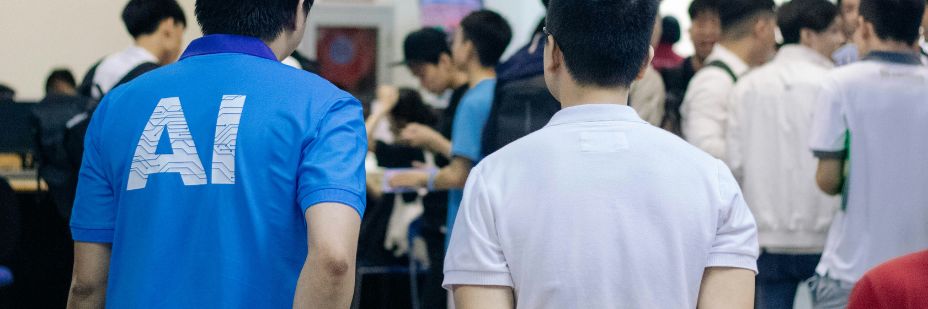
A common concern surrounding the use of AI in SOCs is the fear of human displacement. However, the prevailing view among cybersecurity experts is that AI is designed not to replace analysts, but to strengthen their capabilities, filling operational gaps and mitigating fatigue caused by alert overload.
While AI excels at processing vast amounts of data and detecting anomalies, it still depends on human expertise to interpret context: organizational processes, intent, and nuances that machines cannot fully grasp. The SOC of the future is therefore built on collaboration: AI automates mechanical processes, while human analysts focus on investigation, strategic reasoning, and decision-making.
This partnership not only accelerates operations but also enhances the precision and reliability of incident response. AI can propose insights and hypotheses, but the ultimate validation and response remain firmly within the domain of human judgment.
Continuous Employee Training: A Pillar of the AI-Powered SOC

The introduction of AI into SOCs is not only a technological transformation but also a cultural one. To fully harness the potential of these systems, organizations must invest in continuous employee training. This means not only teaching analysts how to use AI-based tools but also developing soft skills such as critical thinking, understanding advanced attack tactics, and interpreting complex AI-generated insights.
Training must be viewed as a continuous process, keeping teams up to date on emerging risks, evolving attack vectors, and the most effective defense techniques. Workshops, simulation exercises, specialized courses, and certification programs help analysts maintain a competitive edge. Continuous professional development transforms the SOC from a reactive operations unit into a proactive center of excellence.
Compliance and Adaptation to Regulatory Frameworks

A key aspect of integrating AI into SOCs is ensuring compliance with data protection and cybersecurity regulations. Frameworks such as the GDPR in Europe and similar laws worldwide require organizations to demonstrate how they collect, process, and secure data. AI-driven systems must operate within these boundaries to avoid compliance breaches and potential penalties.
Organizations must therefore implement policies that guarantee the traceability of automated decisions, enable audits of AI actions, and ensure adequate human oversight (“human-in-the-loop”) to maintain transparency and accountability. In this context, strong data governance—including policies for data retention, access, and protection—becomes essential for maintaining stakeholder trust and ethical integrity in an increasingly regulated environment.
Ultimately, integrating AI into the SOC is not a passing trend but a strategic imperative to address the growing complexity of cybersecurity. When balanced with human expertise, continuous training, and solid compliance practices, AI enhances operational capacity, improves efficiency, and enables faster, more precise responses to cyber threats—turning the SOC into a resilient, future-ready defense hub.