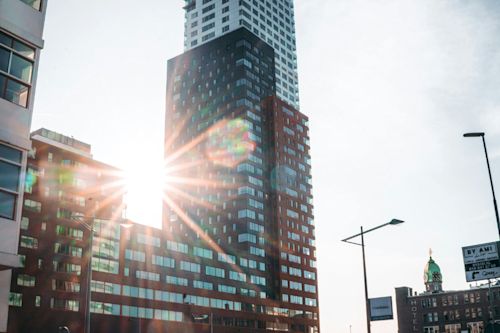
In the race toward addressing climate change and mitigating its effects, the built environment is squarely in the crosshairs. Buildings account for more than a third of global carbon emissions, so making them more energy-efficient is key in reducing those numbers.
Effective insulation is one way to get there. When done right, insulation should make it harder for heat (or cold) to travel into or out of a building. Effective insulation means heating, ventilation, and air conditioning (HVAC) systems need less energy to maintain a pre-set temperature, which means they guzzle less fuel. Residents also feel more comfortable when the temperature is stable.
The construction industry is approaching the process from a variety of angles, leaning towards technologies that perform particularly well, materials that are sustainable or non-toxic, and insulation that can be recycled or composted.
Effective insulation can also be sustainable and promotes environmental stewardship in building design and construction.
Traditional vs Sustainable Insulation Materials
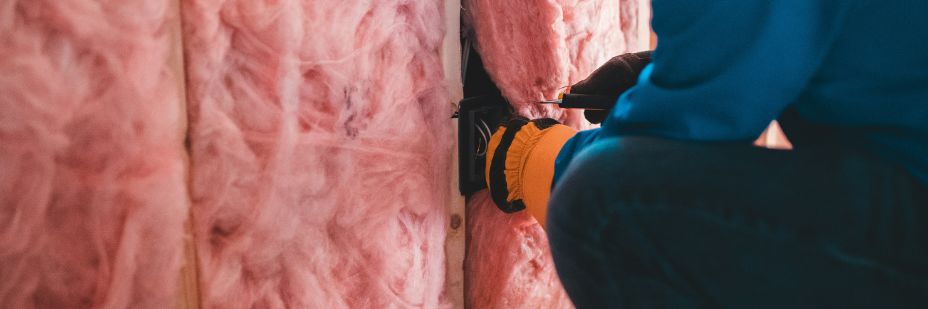
Getting to sustainable insulation involves taking a closer look at materials first. Fiberglass, mineral wool, and a plastic foam called polystyrene are versatile, inexpensive, and effective mainstays in construction.
Computing the carbon footprint of insulation is not easy. Lifecycle assessments (LCAs) evaluate the environmental impact of a product from raw materials through disposal, including energy and materials, emissions, and carbon footprint.
A LCA of wood fiber insulation may include growing and harvesting the timber, manufacturing the fiber, installing it, and incinerating the wood. Transportation impacts would also be included.
A review of insulation LCAs ranks cellulose and hemp as the most sustainable, followed by expanded polystyrene, glass wool, and stone wool, with other foams and cork as the least environmentally friendly. Although cork is a renewable and effective insulator, from a lifecycle perspective, it may not be the most sustainable.
Aerogels are 95 percent air and considered sustainable but use silica, which is often mined unsustainably. Fortunately, you need very little silica to bank on its insulating properties. And renewable materials like cellulose have lower embodied energy (the total energy used to create a product) but it can’t be recycled, like more traditional materials such us fiberglass and mineral wool.
In picking the right insulation material for a job, engineers need to make difficult choices.
Renewable and Recyclable Materials
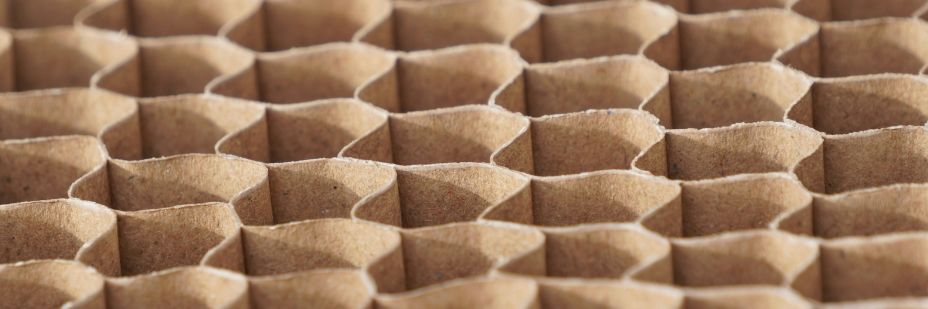
The sustainability equation also hinges on whether products are made with renewable resources and/or can be recycled. Renewable insulation materials like cork, hemp, wool, and straw, are harvested at a sustainable rate, making them eco-friendly.
Recycled materials are sustainable because they extract more value out of raw materials: Denim, newspaper, recycled glass, and minerals or rocks create cellulose, fiberglass, mineral wool, and denim insulation.
Eco-friendly insulation materials should also be free of toxins like VOCs or other pollutants released over time, such as from flame retardants or polyurethane spray foam insulation. Safe insulation choices include cellulose and cork for dryer areas, and fiberglass without formaldehyde for moisture-prone areas that could grow mold.
Biodegradable materials naturally decompose into compounds that can be safely absorbed into an ecosystem. Biodegradable insulation materials include animal- and plant-based sources, such as hemp, cotton, and wool. Bamboo shows promise as a sustainable sound and thermal insulator comparable to fiberglass.
The suite of renewable, recyclable, non-toxic, and biodegradable materials is sought-after insulation products not just for their heat and cold retention properties but because of their low environmental impact.
High-performance Insulation Technologies
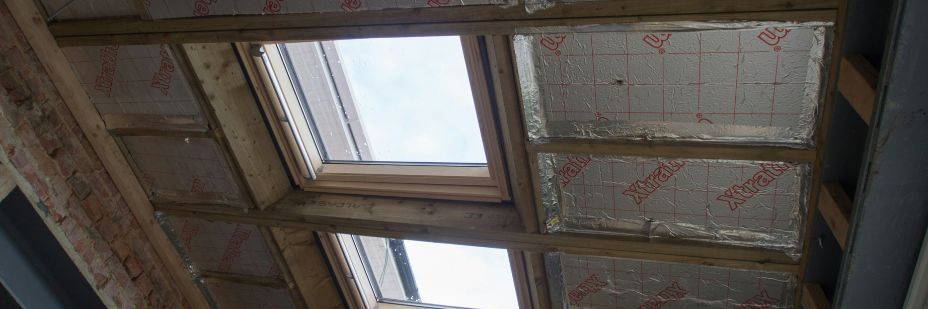
Sometimes effective insulation is not just about picking the right material, it’s about using it in a way that enhances performance.
Engineers can maximize performance in a number of ways. Vacuum-insulated panels, for example, consist of a rigid, thermal insulation core covered with a film and vacuum-sealed. The lack of air creates a slim, efficient insulator that’s most cost-efficient in small spaces or extreme climates.
Since the technology is relatively expensive, vacuum-insulated panels aren’t commonly used, but they may become more widespread in colder climates and as manufacturing costs decrease.
Phase-change materials absorb or release heat when they change states making them effective insulators if they are tailored to the building’s conditions. Since phase-change materials are expensive to use on their own, they can be added to another material such as polystyrene to enhance insulation capabilities.
Silica aerogels have a glass-like structure with air-filled pores, which makes them excellent heat insulators. In one simulation, a residential building with a ½-inch layer of aerogel lost 13.3 percent less energy through the walls and 39.1 percent less energy through the windows. Aerogels are much more expensive than comparable insulation technologies, but manufacturing improvements could cut costs over time.
Green Buildings Standards

These insulation materials might come into play more frequently as many voluntary certification standards for green buildings promote sustainable insulation. Leadership in Energy and Environmental Design (LEED), a standard devised by the U.S. Green Building Council, includes emissions standards for indoor insulation.
The Green Building Initiative’s Green Globes system includes rankings for temperature regulation, sustainable materials, and indoor pollutants that can be met using insulation. Finally, the US EPA’s Energy Star program endorses specific products as energy efficient, including insulation options like foam boards, cellulose, stone wool, and fiberglass. Energy Star also evaluates buildings for energy efficiency, which is impacted by insulation.
Costs Considerations and Market Trends
The initial investment for insulation varies depending on the size and type of project, and materials used. Insulating a home attic costs between USD 1-7 per square foot, or about USD 1,500 per project including labor and materials. Cellulose is slightly cheaper than fiberglass, at USD 0.33/foot versus USD 0.40/foot. Some sustainable options like cork and wood fiber are considerably more expensive than conventional materials.
For industrial plants, insulation has an annual rate of return of over 100 percent. While insulation degrades over time, it offers long-term savings. For example, insulating the space between a roof and upper ceiling saves USD 8,000-13,000 in energy bills over the insulation’s 40-year lifetime. Sealing air and adding insulation saves American homeowners an average of 11 percent on utility bills per year. Houses in colder climates save more.
Awareness of climate change and energy use drive demand for sustainable insulation and other green building techniques. LEED-certified office buildings command higher rent prices, even when controlling for other variables.
Stricter government building codes and energy efficiency legislation, including carbon credits, also increase demand for sustainable and effective insulation. In North America, retrofits of existing buildings and an expanding residential housing market increase demand for insulation.
Sustainable insulation is key to greener and more energy-efficient buildings bringing us one step closer to addressing climate change. And the range of advanced materials and application techniques makes it that much easier for the construction industry to adopt.