With the World Health Organization recognizing the enormous potential of artificial intelligence and robotics to transform healthcare — particularly in addressing challenges such as staffing shortages and limited resources — it’s no surprise that the value of the global sanitation robot market has soared. In 2024, it reached $665.33 millions, and it is expected to grow at an annual rate of 25.5% between 2025 and 2034.
The transformative power of intelligent robotic systems in healthcare facility management extends far beyond disinfection, risk assessment, or logistics optimization. Combined with AI, these systems support diagnostics, pharmaceutical research and development, and play a vital role in safeguarding the well-being and safety of both patients and medical staff.
A New Era of Hygiene in Healthcare Facilities
Many hospitals and healthcare centers began adopting AI and robotic procedures during the pandemic. Machine learning algorithms were used to assess patient severity and identify those at higher risk, while robots handled contactless sample collection and performed remote diagnostics with minimal staff involvement.
Since then, the introduction of robotics in healthcare environments has had an immediate impact: reducing labor costs, minimizing workers’ exposure to viruses and infectious diseases, and extending coverage to hard-to-reach areas. These systems go far beyond disinfecting patient rooms or operating theaters — they are also used to eliminate potential sources of contamination in high-touch zones such as doors, elevators, and handrails.
Robotics in Action
Robots that use short-wavelength ultraviolet-C light — such as those developed by UVD Robots — are capable of destroying the DNA or RNA of microorganisms exposed to their beam. Equipped with Lidar sensors, these robots create digital maps and use advanced localization systems to move autonomously through corridors, rooms, and even elevators, without human intervention. In just 10 to 15 minutes, they can disinfect an entire room.
Autonomous mobile robots can define their own routes without external guidance or human operators. They distribute medical supplies and linens, collect patient data, and even deliver food and water — reducing the risk of pathogen exposure for healthcare workers.
One notable example is the Karmi-Bot, developed by ASIMOV Robotics under the Make in India initiative. Equipped with a high-power disinfectant sprayer, it navigates autonomously to deliver food and medical supplies. It can also converse with patients and initiate video calls between them and medical professionals from any location.
End-to-End Solutions to Increase Efficiency

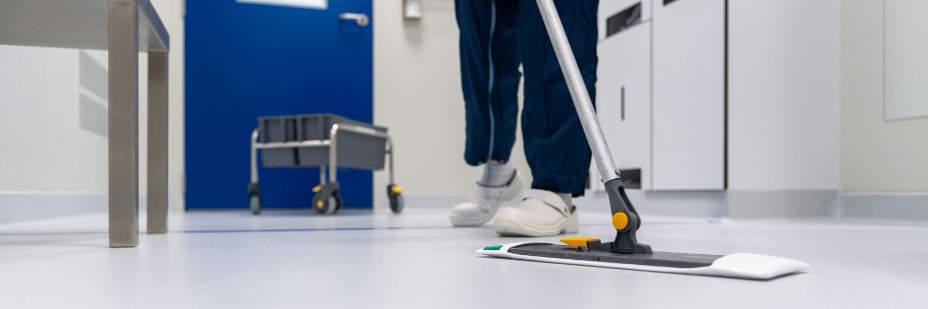
SoftBank Robotics’ integrated solutions platform is already helping hospitals achieve cleaner, safer, and healthier environments. Its Whiz and S50 Pro cleaning robots are designed with materials that minimize particle emissions and can be easily sterilized, ensuring full compliance with strict hygiene standards. The S50 Pro can mop an area of 2,300 square meters in under six hours — reducing cleaning staff hours by 50% and significantly improving operational efficiency, as demonstrated in a study conducted across five hospitals within the U.S. healthcare network.
The platform also collects and stores detailed operational data from the robots during cleaning cycles — including routes followed, assistance required, execution time, and other key performance metrics — enabling continuous optimization and predictive maintenance.
Equally promising are projects such as HosmartAI, which aim to integrate digital and robotic technologies into new healthcare environments. Its vision is to build a stronger, more efficient, sustainable, and resilient European healthcare system by creating an ecosystem where digital health providers can design and develop innovative AI-driven solutions.
Integration with Smart Buildings

In healthcare environments, intelligent security systems can prevent unauthorized access and detect unusual occupancy patterns in areas such as corridors or waiting rooms. Robots like Mitra, for example, can relay instructions from security teams, issue warnings about unsafe environmental conditions, and help monitor compliance with safety protocols.
Beyond security, environmental sensor technologies in smart buildings can also detect virus-carrying particles and volatile organic compounds. When such conditions are identified, connected robots can automatically sanitize the affected spaces, verify air quality, and ensure continuity of service — closing the loop between monitoring, response, and prevention.
How to Survive Privacy, Hackers, and Data Abuse

Concerns about data exposure remain critical. A cyberattack could, for instance, manipulate a surgical robot and harm a patient, grant unauthorized access to recordings, or interfere with vital communications. To prevent this, security frameworks must address the specific vulnerabilities of robotic and AI systems — from vendor infrastructure to end-user applications — and ensure tools are in place to protect their integrity and reliability.
When AI services are provided remotely, it becomes essential to monitor the security of communication links with AI platforms while maintaining hospital connectivity and uninterrupted operations. Robust encryption, continuous threat monitoring, and strict data governance must be embedded in every layer of the system.
Reacting to Upcoming Health Crises
Healthcare professionals have learned in recent years that there is no perfect defense against the unpredictable. However, by leveraging AI and robotics to automate essential operations, hospitals and clinics can remain flexible and resilient when faced with new health crises. The extent to which a healthcare organization adopts these technologies may soon determine its ability to respond effectively to global emergencies.
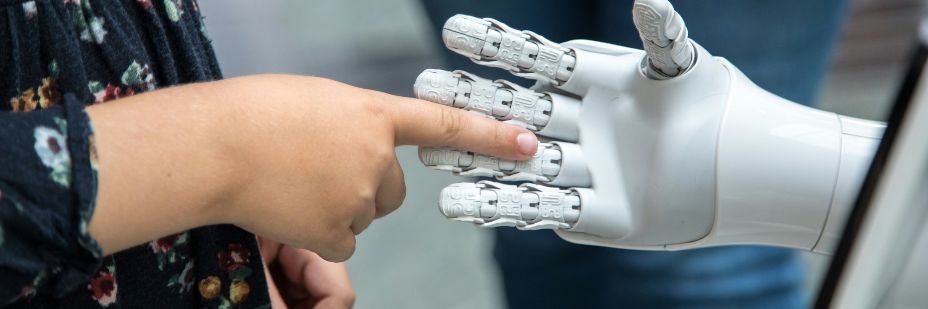
Beyond sanitation and logistics, the next generation of “social robots” will play an increasingly active role in healthcare environments. They will welcome visitors, monitor patients, and manage facility data — cross-referencing it with external sources such as health alert networks, scientific databases, and cloud-based reports. This integration will enhance tasks such as triage, surgical scheduling, and disease diagnosis. And with the rise of conversational AI, these robots are evolving from behind-the-scenes assistants into integral participants in patient care.