Cities across the world are heating up. Heatwaves are becoming more frequent and intense, and more than 100 cities already experience temperatures above 50°C for five or more days each year. With rising temperatures come real risks to human health and economic productivity, and also the chance to rethink the role of urban design.
Urban areas are often hotter than their rural surroundings due to the urban heat island effect, in which reduced vegetation and water contribute to increased temperatures. Low-income residents, people who work outdoors, and the young and elderly are particularly vulnerable to the health risks of heat exposure. Nearly half a million people die from heat-related causes each year.
That makes it crucial for cities to adapt their design and infrastructure to improve safety and resilience. For cities where heat has long been part of daily life, short-term and long-term strategies are already underway.
Decisions surrounding roads, pavement, shade, trees, and water can all impact temperatures. Cities can focus on “green” or “blue” infrastructure that harness nature to manage climate change, while “grey” infrastructure, built by humans, can also contribute to cooling. Other cities are prioritizing education and awareness around the dangers of heat. Together, these interventions offer valuable lessons for other areas considering their climate futures.
Phoenix, USA: Shade as a Main Infrastructure
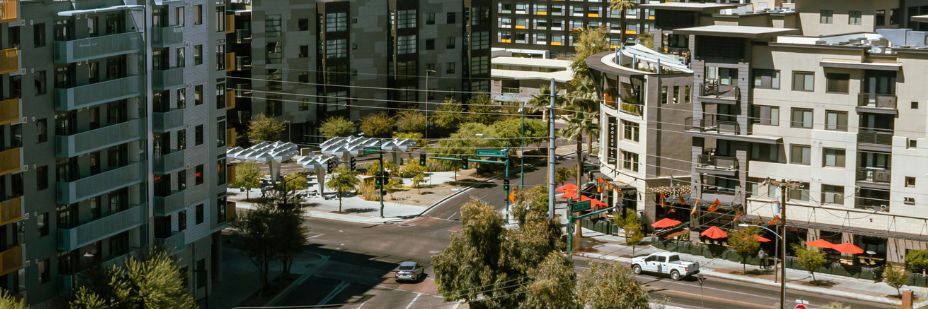
Phoenix is the hottest big city in the United States, with daytime temperatures routinely exceeding 43°C in the summer. City leaders are turning to shade as one strategy to cope with extreme heat. The effort, in part, helps replace a tree canopy that’s declined over the years
A plan called “Shade Phoenix” targets the use of trees and shade structures to provide relief. The initiative calls for planting 27,000 new trees and adding 550 shade structures. The city is also working with local artists on sidewalk shade structures for pedestrians that double as public art. Most investments focus on low-to-moderate and middle-income communities.
Shade is a powerful tool against heat: It lowers air temperatures, protects people from heat stress, and shields infrastructure from constant sun exposure.
Dhaka, Bangladesh: Cooling Roofs Benefit Buildings
Informal settlements in Dhaka that use corrugated iron roofing are particularly vulnerable to heat. A dense population and lack of green spaces exacerbate the risks in Bangladesh's capital city.
“Cool roofs” showed promise in lowering indoor temperatures during a pilot study in the city. Buildings such as schools and housing complexes had their roofs painted with reflective paint to lower sunlight absorption.
These roofs reduced indoor air temperatures by nearly 8°C during peak heat, according to the study results. They also kept indoor temperatures lower than outdoor temperatures, which was not the case beforehand.
Cool roofs have widespread applications in hot cities to reduce energy bills and increase comfort. Researchers point to the intervention as cost-effective and scalable.
Athens, Greece: Information Helps Preparation
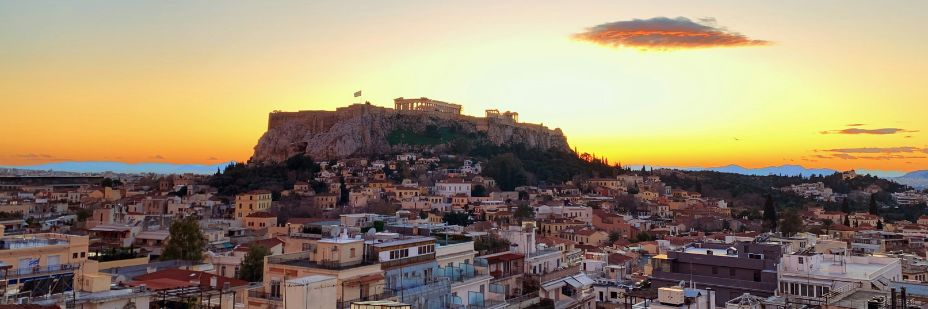
Athens was the first European city to appoint a chief heat officer to address heatwaves and rising temperatures. The number of heatwave days in the city is expected to double by 2050, so the city turned its focus to awareness and preparation.
Athens categorizes heatwaves based on risk. Alerts warn people and city services to prepare, especially those who work with vulnerable communities. An app also offers citizens real-time heat information and resources, including locations where they can go to stay cool. The city encourages people to stay inside during the hottest parts of the day and provides other tips for managing the heat.
Part of the city’s strategy is raising awareness that heatwaves are deadly, even though people often underestimate the risks. International groups advocate for more education around heat risks as heatwaves are on the rise. Simple strategies, such as staying hydrated, can help save lives.
Medellín, Colombia: Green Corridors
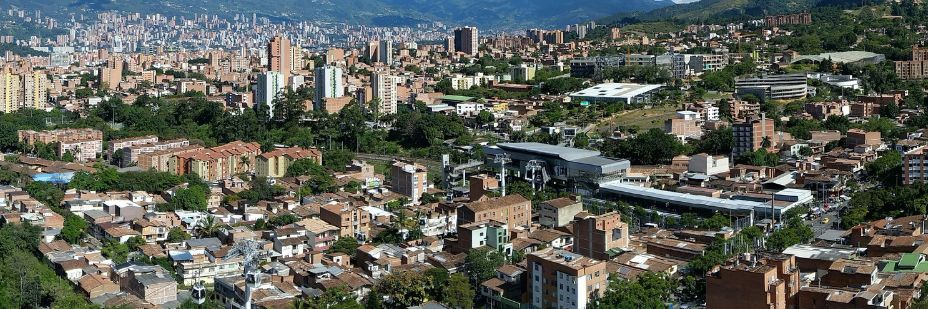
Known as the “City of Eternal Spring,” Medellín may not be the hottest city in Colombia, but decades of urban development led to a worsening urban heat island effect and rising air pollution. City leaders responded by acting against climbing temperatures.
The city created dozens of interconnected spaces full of tens of thousands of trees and small plants, known as green corridors. The effort included training disadvantaged residents as gardeners and planters.
They transformed roads and waterways into a network of spaces that reduce noise and pollution. Medellín has since noted a 2°C drop in temperature. The initiative can be seen as a model of using nature to address heat and reduce the impacts of urbanization.
Freetown, Sierra Leone: Planting Trees by the Millions
Freetown is hot year-round and expected to get hotter. Heat stress is a risk to the economy in the city as people often work outside in labor-intensive jobs. And the capital city of Sierra Leone is turning to trees as a solution.
The “Freetown the Treetown” campaign aims to add 5 million trees by 2030. This reforestation initiative is community-driven and includes participation by residents in the growing and planting, creating local jobs in the process. Freetown is planting trees strategically to reduce heat stress, with a heavy focus on roads, schools, and residences. The project also includes a digital component: Each tree is tagged and tracked to collect data and measure progress.
Trees have long provided numerous advantages in urban areas, such as lowering air and surface temperatures, providing shade, and improving air quality. Freetown tests those benefits on a major scale through collaborating with local communities and analyzing progress to reduce climate risk.
Future Strategies
Cities preparing for a hotter future must consider a range of strategies to protect residents and plan for the future, from immediate interventions to long-term efforts.
Warning residents about the dangers of heat and upcoming heatwaves, as implemented in Athens, is an effective tool to build awareness. Initiatives in Freetown and Medellín to bolster the natural environment help counteract the urban heat island effect. Phoenix and Dhaka show the possibilities of manmade structures and adaptations to keep cool.
Combining the benefits of nature, infrastructure, and public education can improve health, productivity, and quality of life in urban environments.