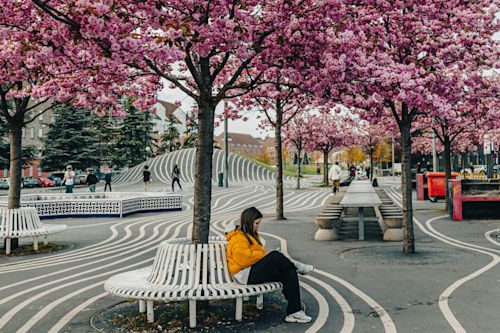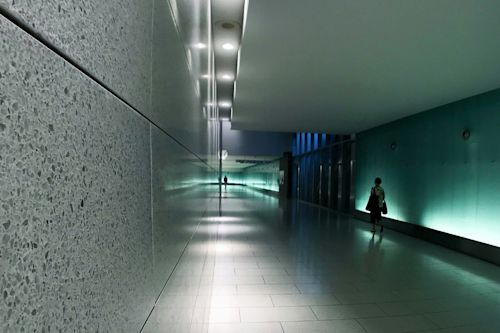
When the sun sets, cities don’t shut down—they transform. The use of public space changes, foot traffic decreases, and the perception of risk rises. Studies show that feelings of safety drop significantly at night, a time when many people feel more vulnerable and the fear of accidents or crime tends to intensify.
Yet designing safe cities after dark is not about restricting access—it’s about adapting it. It requires understanding how people’s behaviors shift once daylight fades, integrating safety into the very fabric of urban design, and applying flexible, context-sensitive solutions that keep the city active and open through the night.
The City Changes at Night

The evolution of nightlife has prompted cities to develop new urban strategies in which the nighttime becomes an opportunity: to reactivate the economy, promote inclusion, and enhance quality of life. But this transition demands different approaches than those used during the day. Simply reinforcing traditional security controls can lead to sterile, closed spaces and fragmented urban life. Instead, nighttime planning should take into account lighting, social interaction, and the changing ways in which spaces are used.
Public areas such as parks, transit stops, and parking lots are experienced very differently at night than during the day. With fewer people around and less constant activity, some of these spaces can easily turn into perceived—or real—sources of insecurity.
Ensuring safety as an intrinsic part of urban design rather than as an afterthought is essential. Lighting management, for instance, plays a critical role not only in shaping how safe a place feels but also in creating pleasant, inviting nighttime environments—especially when guided by analysis of the built context and informed by community experience.
The Human Factor: Who Uses the City After Dark
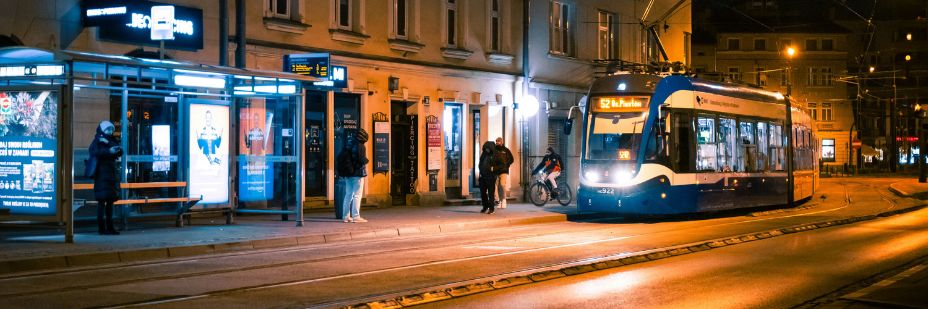
Nighttime doesn’t just bring less light or reduced traffic—it completely reshapes who uses the city, how they move through it, and for what purposes. Offices, shops, and daytime facilities close, and many streets lose the constant flow of people that serves as informal surveillance during the day. In poorly lit areas or on underused and badly signposted routes, the sense of vulnerability grows.
Movement patterns also change. In some neighborhoods, peaks in nighttime activity bear little resemblance to those of the day, and spaces designed primarily for daytime use often fail to accommodate these rhythms, creating conflicts over access and even coexistence.
Moreover, the night city is far from uniform. Different user groups coexist: residents seeking safe routes home, workers commuting outside conventional hours, leisure-goers and tourists less familiar with their surroundings, and essential service personnel. Security systems designed for daytime operations often lose effectiveness after dark, as they fail to address these diverse needs.
Understanding how urban behavior changes at night is essential to designing safety solutions that protect without excluding—keeping the city active, accessible, and secure for everyone.
Night Access Control: Managing Without Excluding

Regulating nighttime access to urban spaces doesn’t mean closing streets or indiscriminately restricting areas. It’s about implementing intelligent, adaptive policies that balance safety, accessibility, and urban vibrancy.
In recent years, the concept of night-time governance has gained prominence, emphasizing the need for coordinated management of the city after dark—one that maintains both security and vitality. More than 80 cities worldwide now have a dedicated “night mayor” or specialized office responsible for monitoring nighttime life, identifying challenges and opportunities, and proposing innovative policy responses.
Two of the most effective tools are time-based access management and dynamic zoning. The first defines specific rules depending on the time of day—such as restricting private traffic during certain hours, managing access to leisure districts, or prioritizing key pedestrian routes. The second recognizes that some areas, like cultural squares or urban promenades, need flexible management, while others—such as hospitals or transport hubs—require continuous oversight. Allowing spaces to shift “mode” depending on the hour, event, or level of activity creates more fluid, context-aware management.
In this model, intelligent access systems add an extra layer of flexibility. They can define who enters, when, and under what conditions—adapting permissions for residents, shift workers, or service providers, and adjusting policies in real time based on activity data. In doing so, access control becomes not a barrier, but a tool for responsive and inclusive urban management.
Urban Lighting: Seeing, Orienting, and Feeling Safe
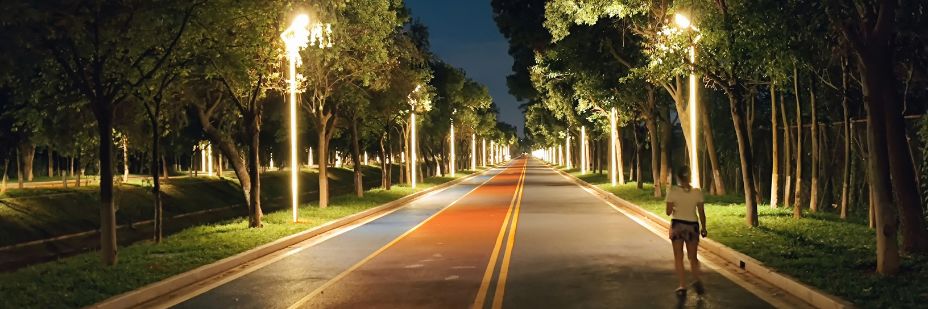
The perception of safety at night depends not only on the amount of light, but also on how well lighting adapts to the context and the specific use of each space and time. Residential, commercial, and transit areas all require different approaches.
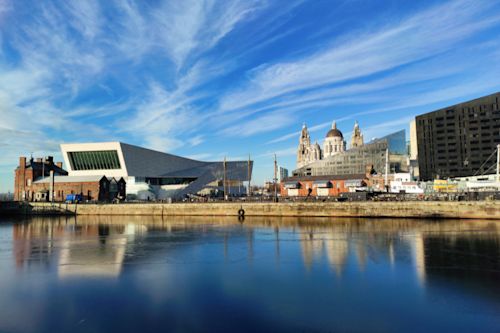
Modern technologies allow cities to move beyond static on–off systems toward adaptive lighting models. A good example is the intelligent lighting network implemented in Liverpool, where systems connected to centralized management platforms adjust brightness and distribution according to the time of day, level of activity, or number of people present. These solutions enhance visibility where it is most needed, improve energy efficiency, and even allow for remote fault detection—making the nighttime city both safer and smarter.
Different Contexts, Different Nighttime Strategies
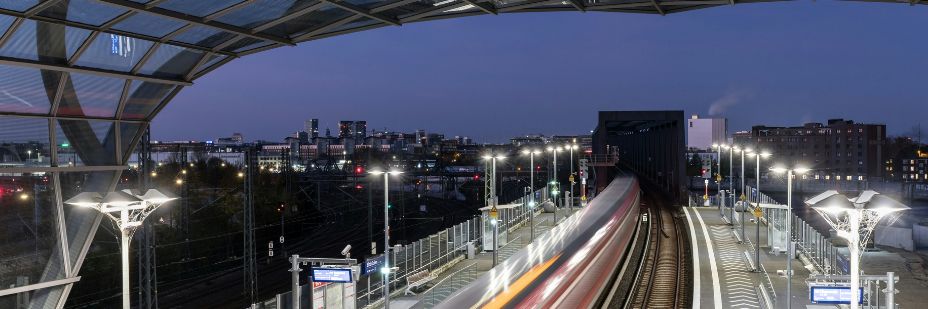
Urban safety after dark cannot rely on uniform measures. Each setting has its own rhythms, users, and risks that call for tailored responses.
In mixed-use city centers—where nightlife, dining, and residential areas coexist—the challenge is to balance social activity with residents’ need for rest. Temporary zoning, flexible access controls, and designs that promote clear sightlines and accessible routes help maintain this balance, enhancing the perception of safety without resorting to restrictive measures.
In transport hubs such as stations, night traffic is intermittent and staffing levels are typically lower. Continuous access, consistent lighting along main routes, and remote monitoring are crucial to ensure safety and supervision without requiring full closures.
On campuses, in hospitals, or in public buildings with limited nighttime activity, the most effective approach involves zoning and intelligent access systems that allow authorized use after hours. This prevents empty, unsafe spaces while maintaining openness where it is needed—ensuring that even at night, the city remains connected, accessible, and alive.
Cities Come Alive at Night
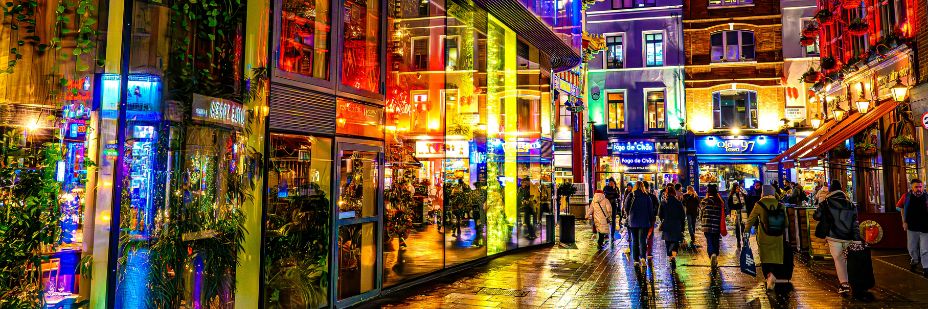
According to the World Cities Culture Forum, 97% of cities actively support nightlife initiatives, and 59% already have a dedicated strategy for managing nighttime activity. Furthermore, 69% are developing or implementing policies focused on nighttime security—recognizing culture as a key component of these strategies.
Nightlife extends far beyond clubs and entertainment venues. Cultural policy must address the broader conditions that allow nighttime economies to flourish—ensuring safety, citizen empowerment, creative ecosystems, inclusion, and environmental sustainability. At the same time, it must also pursue two fundamental goals: greater protection for night-shift workers and improved safety for women and marginalized communities.
The experience of 24-hour cities shows that a thriving night-time economy relies on far more than extended opening hours. It depends on context-sensitive access controls, lighting that guides and fosters trust, and discreet security systems that protect without intimidating—all complemented by cultural programming and public events that help reposition city centers as welcoming, vibrant, and safe destinations after dark.