Once a crucial stop along the ancient Silk Road, then, a cosmopolitan and important city for the Soviet Union, and now, the capital of Uzbekistan with a population of 2.6 million, Tashkent boasts a fascinating architectural heritage. From the intricate mosaics of Islamic madrasahs to the classic examples of Soviet Brutalism like Hotel Uzbekistan, the city whispers tales of Silk Road commerce and modernist ambition.
In more residential areas of Tashkent, traditional mahallas with mudbrick houses and communal courtyards stand juxtaposed to contemporary high-rises like the National Bank or the TV Tower, showcasing a city embracing its past while carving a unique architectural identity for its future.
On the other hand, Tashkent, which is already the largest city of Central Asia, keeps growing - both in terms of size and regional influence.
But how does this city, embracing the winds of modernization, hold onto its unique soul? How does it preserve its authentic urban heritage while writing its future chapters?
1966 Earthquake: Building a Modern City Nearly From Scratch
Tashkent is no stranger to change and transformation: In 1966, disaster struck the Uzbek capital with a powerful earthquake. Over 300,000 residents - which was a fifth of the city's population at the time - were left homeless. Remarkably, the city rose from the rubble and underwent a complete reconstruction project that spanned just three and a half years.
Not only were new neighborhoods, traditional “mahallas", built on the outskirts, but the damaged city center was completely revamped — while still staying loyal to the original styles and influences of each respective building.
This included constructing a brand new satellite town called Sputnik, and rebuilding over 1 million square meters of housing, schools, and public facilities in a truly impressive feat of reconstruction and urban renewal.
An Ongoing Quest for Architectural Balance in Tashkent
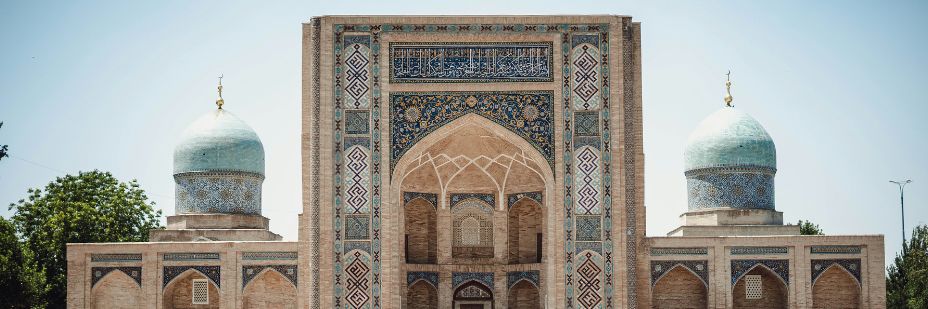
In Tashkent, iconic landmarks receive well-deserved attention. For example, the Hazrati Imam Complex underwent major restoration in 2007 to reach its former glory.
Yet, the true pulse of the city lies in the labyrinthine alleyways of the mahallas. Here, community-driven initiatives are the driving force. Residents, architects, and authorities collaborate to breathe new life into crumbling clay houses, ensuring traditional construction techniques and cultural spaces are not lost.
Tashkent understands that heritage lives in the rhythm of everyday life. Artisans keeping alive centuries-old crafts, families celebrating traditional festivals in communal courtyards, and the scent of spices wafting from open kitchens – these are the living threads that bind the city to its past. Initiatives like workshops and cultural events ensure these traditions are not museum relics, but vibrant threads woven into the fabric of modern life.
Adaptive Reuse to Accommodate Changing Needs
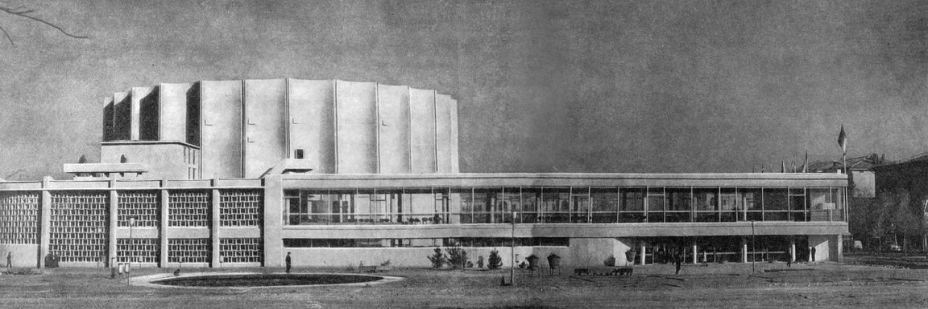
In Tashkent and beyond, preserving architectural heritage while fostering development isn't always easy. This is where adaptive reuse comes in, transforming old buildings into vibrant new spaces that cater to modern needs.
For example, once a glamorous residence for a former Russian diplomat, the Chilanzar Palace, houses the Museum of Applied Arts of Uzbekistan.
Among Tashkent's earliest modernist gems was the Palace of the Arts, now known as the Panoramic Cinema.
Likewise, in the historic mahalla districts, traditional courtyard houses are being carefully restored and adapted into boutique hotels and guesthouses. These cozy havens offer visitors a unique experience of Uzbek culture and architecture, while holding on to the character of these historic neighborhoods.
Tashkent's Skyline Continues to Expand
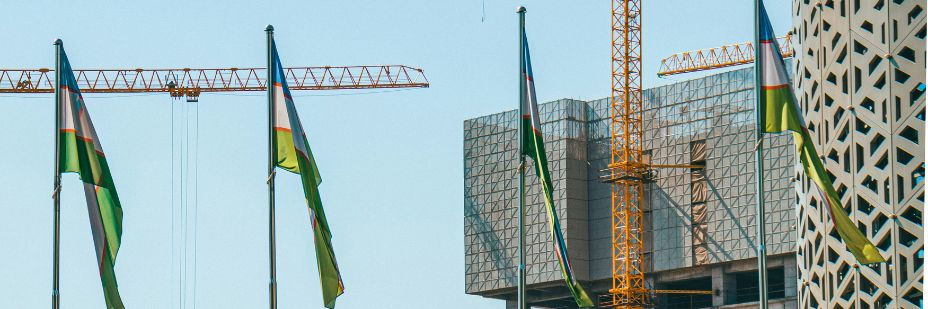
As Tashkent is going through a metamorphosis, a brand new business district is rising, aiming to seamlessly blend modern aspirations with the city's deeply rooted heritage. The crown jewel of this project is a stunning five-star hotel and congress center, boasting earthquake-resistant design and a vibrant green roof. Built with remarkable speed and collaboration, this project exemplifies Tashkent's dynamic approach to progress, carefully balancing innovation with respect for its unique past.
The Tashkent City Hotel and Congress Center embodies a commitment to sustainability. Its innovative green roof not only adds visual appeal but also contributes to improved air quality and reduced energy consumption. This focus on environmental responsibility reflects a broader vision for Tashkent's future: a city that embraces progress while nurturing its precious heritage and ensuring a healthy environment for generations to come.