Living in a city often means being surrounded by people, but that doesn't always lead to genuine connections. Even in busy urban centres, loneliness is a growing problem, with studies showing a 26% rise in early deaths linked to it — a risk as serious as obesity or smoking.
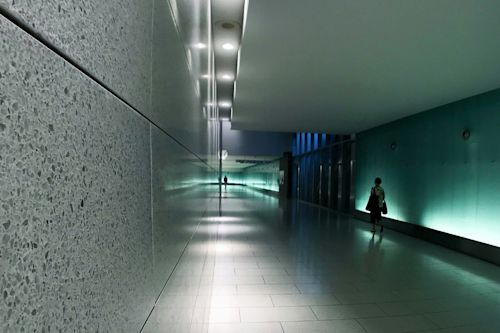
Imagine a crowded subway at rush hour, where everyone is focused on their phones and avoiding eye contact with one another. Urban planning can play a significant role in either exacerbating or alleviating this sense of isolation. High-traffic areas with limited pedestrian pathways, a lack of communal spaces, and poorly designed public transport often discard opportunities for social interaction.
Conversely, thoughtful urban planning can enhance social connections by creating inviting public spaces, encouraging pedestrian-friendly streets, and facilitating community-centred environments. As cities grow, loneliness is becoming an increasingly common challenge.
Designing Cities of Belonging

While cities offer numerous opportunities, they can also leave people feeling isolated. Belonging is more than a personal feeling; it is a basic need in urban life. Experts in public health, sociology, and architecture are paying closer attention to how cities help people acquire a sense of belonging.
Design decisions can either help people connect or keep them apart. Details such as sidewalk width, seating, lighting, signage, and public access may seem insignificant, but they significantly influence how people act, feel, and interact.
For example, a sidewalk that is at least eight feet wide lets two people walk side by side and talk, while others can pass by easily. Benches placed six to eight feet apart make it easy to have a conversation without raising your voice. Light poles around twelve feet tall help people feel safe without making the street too bright. These subtle design choices have a significant impact on how people interact and feel connected in their neighbourhoods.
How a city is designed can either bring people together or keep them apart. In cities, belonging comes from spaces that invite people in, build trust, and reflect the community's character.
Belonging as an Urban Need
Belonging is more than being housed; it means being held socially, emotionally, and culturally. It’s feeling seen, valued, safe, and connected in one’s environment. American psychologists Baumeister and Leary note that belonging is a fundamental human motivation, vital for mental health, resilience, and civic engagement.
Loneliness in cities is on the rise across Europe and other developed regions. Social isolation can lead to a 29% increase in the risk of heart disease and a 32% increase in the risk of stroke. Individuals suffering from loneliness are also 26% more likely to die prematurely. These statistics highlight the importance of addressing loneliness as a public health concern. Scholars now recognise that social infrastructure is just as critical as physical infrastructure.
Design matters. Writer and activist Jane Jacobs famously argued that “eyes on the street” create safety through community presence, not policing. This concept emphasizes how design impacts social interaction, fostering environments where people feel secure and motivated to engage with others. Similarly, sociologist Eric Klinenberg demonstrates in “Palaces for the People” that public libraries, parks, and shared spaces are foundational to civic well-being.
The way spaces are designed signals who is welcome and who isn’t. Ray Oldenburg described cafés, barbershops, and sports clubs as informal “third places” that foster a sense of belonging. These are neither home nor work, but “living rooms” of community life — places where people linger, talk, and build trust. Unlike highly regulated environments, third places often thrive on a degree of looseness: conversations overlap, children play nearby, and neighbours strike up spontaneous exchanges.
A little bit of chaos usually means everyone feels at home. Urban sociologists argue that this “light-touch governance” makes them powerful incubators of belonging. Overdesigned or heavily policed spaces can feel alienating; by contrast, environments that leave room for improvisation, informality, and human messiness create genuine inclusion
Barcelona: The City of Plazas
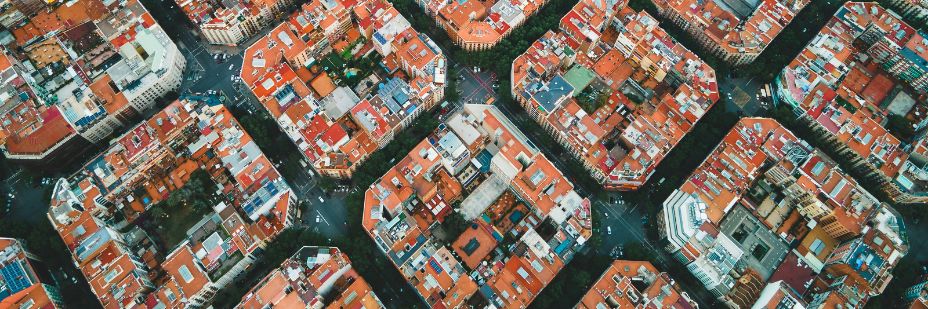
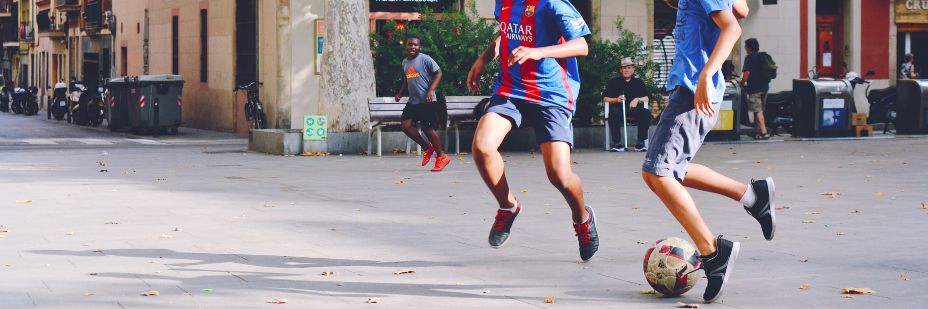
Barcelona is a city of plazas and paseos, where public life spills out into streets, markets, and courtyards. Its Mediterranean way of life brings people together: older adults converse on benches, children play in fountains, and teenagers gather in skate parks. This open layout helps people of all ages feel like they belong.
The city’s superblocks (“superilles”) project, launched in 2016, reallocates street space from vehicles to pedestrians and community uses. The process began with stakeholder engagement, pilot phases, and adjustments based on community feedback. Studies demonstrate that superblocks have improved air quality, increased civic engagement, and reduced stress levels among residents.
Neighbourhoods like Gràcia and El Born still retain a strong sense of identity, thanks to buildings and streets that feel welcoming and easy to navigate on foot. Narrow streets and walkable areas encourage informal encounters. Yet, mass tourism and rising costs threaten this sense of belonging.
While the influx of tourists boosts local economies, it also often leads to overcrowding and the loss of local charm, making it harder for residents to maintain their way of life. Rising property values driven by external demand can displace long-time residents and erode community ties. Colomb and Novy highlight how protest and resistance have become part of defending local life in tourist cities.
Strategies such as regulating short-term rentals, promoting local businesses, and involving residents in planning can help balance global pressures with local identity. However, these strategies require careful implementation to ensure they address the root causes of displacement and community erosion while promoting sustainable tourism.
Copenhagen: The Design of Everyday Trust

Copenhagen is renowned worldwide for its liveability, thanks to thoughtful planning, sustainable transport, and access to nature. The city’s design fosters not only comfort but trust. Cycling is more than just transport; it is part of a culture of shared space and presence. Scholars such as Pucher and Buehler describe how cycling is central to Danish urban life and fosters trust.
Copenhagen’s design is shaped by the idea of “hygge”, which means creating a feeling of comfort, closeness, and simplicity. Features like public seating, clear building fronts, and playful furniture help make the city inviting. Superkilen Park, designed by BIG Architects, showcases multicultural identity by incorporating objects from over 60 countries.
Belonging in Copenhagen is an integral part of daily life. Access to waterfronts, open libraries, and green corridors reflects a civic ethic of inclusion. As architect and urbanist Jan Gehl puts it: “A good city is like a good party — people stay because they feel welcome”.
Toward a Belonging-Oriented Urbanism
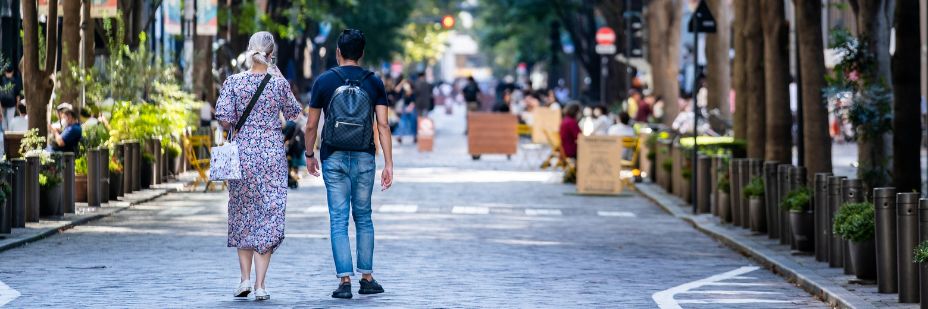
How can cities incorporate a sense of belonging into their architecture and planning? Several design principles emerge:
Accessibility and proximity: walkable streets, mixed-use zoning, short distances to amenities.
Intergenerational and inclusive spaces: places where all ages feel they belong.
Relational design: spaces that enable eye contact, conversation, and spontaneous interaction.
Cultural resonance: design that reflects local histories, identities, and aesthetics.
Participation: co-designed spaces that involve residents in decision-making.
Students and early-career planners can begin applying these principles by engaging with community stakeholders in their projects. Involvement in local planning initiatives, workshops, and public feedback sessions can provide practical experience in designing inclusive urban environments. Collaborating with local universities to develop participatory design labs offers another hands-on opportunity to apply these ideas in real-world settings.
For instance, the “Reconnect Seattle” initiative exemplifies these principles by creating plazas, green spaces, and pedestrian zones co-designed with residents, featuring art and amenities that reflect cultural diversity.
Belonging is about more than having attractive or well-planned spaces. It develops when people care about how they come together and share places. Good urban design should help people connect, not just provide them with a place to live. To better understand this, it helps to measure belonging. Surveys about residents' sense of community, studies of social interactions, and tracking participation in community events can all show how connected people feel. These tools help planners and designers understand how urban spaces influence social ties and identify ways to foster a sense of belonging.
Looking for Cities that Hold Us

Cities that focus on belonging are not perfect, but they are vibrant in diverse experiences. Their strength comes from people getting involved, not from being flawless. When people feel they belong, they care more, take part, and help their city succeed.
Barcelona and Copenhagen each demonstrate a distinct approach to creating a sense of belonging. Barcelona is known for lively, shared moments, while Copenhagen focuses on thoughtful design and everyday trust. Both cities prove that what matters most is not just how a city works, but how it makes people feel.