In today's cybersecurity landscape, threats no longer arrive only through suspicious emails or complex malicious software. Increasingly, attacks are exploiting everyday and seemingly harmless tools — such as text messages on smartphones. Among these techniques, smishing represents one of the most insidious forms of social engineering, capable of affecting both individuals and organizations with striking effectiveness.
The term smishing combines the words "SMS" and "phishing" and refers to a type of cyberattack that uses fraudulent text messages to trick victims into sharing sensitive information, clicking on malicious links, or installing malware on their devices.
These messages are often designed to appear as though they come from reputable sources — banks, delivery services, technology providers, or even work colleagues. Their goal is to leverage the recipient's trust, sense of urgency, or curiosity to gain access to personal or business data.
An Emerging Risk for Companies

The growth of smishing attacks is closely linked to the increasing use of smartphones in the workplace and the spread of hybrid and remote work models. Today, employees use mobile devices to communicate with colleagues, access company systems, and manage day-to-day operational tasks — making phones a prime entry point for cybercriminals.
An additional risk factor is the high open and response rate that text messages generate compared to other communication channels. Moreover, many people remain unaware of the phenomenon: some research indicates that only a fraction of users truly understand what smishing is and what risks it poses.
For organizations, this means that security can no longer be limited to traditional computer systems. A broader approach is required — one that includes securing mobile devices, continuously training employees, and building a corporate culture geared toward digital security.
How Smishing Works

Smishing is a form of social engineering that uses fraudulent text messages to manipulate victims into taking risky actions, such as clicking on malicious links or sharing sensitive information.
In many cases, the message contains:
a link to a fake site that mimics a legitimate platform.
an urgent request to verify data or complete a payment.
an invitation to download an application or update an account.
For example, an employee might receive a text that appears to come from the company's IT department, asking them to update their password via a link. Once clicked, the link leads to a phishing page that captures the user's credentials.
Another common scenario involves a message reporting a failed package delivery or a suspicious charge on a bank card. The urgency embedded in the text pushes the victim to act quickly, without stopping to verify the authenticity of the message.
Why Smishing Is So Effective
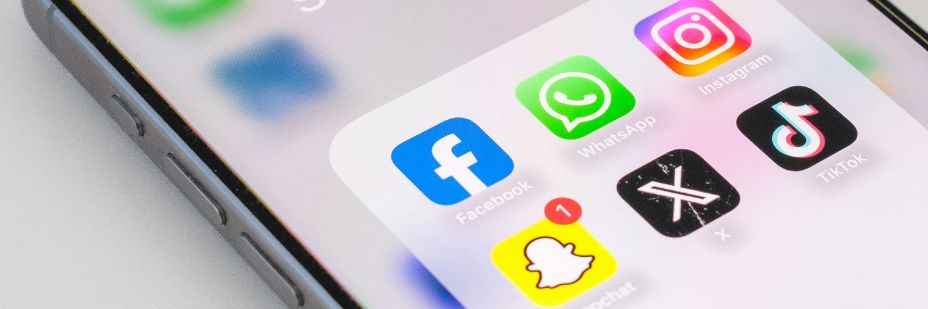
Smishing is particularly effective because it exploits psychological and behavioral tendencies. Unlike emails, text messages are perceived as more personal and trustworthy. Many mobile devices also lack the advanced spam filters found in most email platforms.
According to various cybersecurity studies, social engineering attacks account for a very high percentage of overall cyber incidents — precisely because they exploit human vulnerabilities rather than technological ones.
Cybercriminals craft their messages strategically, using techniques such as urgency ("action required immediately"), authority (messages appearing to come from banks or senior managers), curiosity (offers, prizes, or unexpected notifications), and fear (blocked accounts or suspicious transactions). These elements increase the likelihood that the recipient will act impulsively, without verifying the source.
Risks for Organizations
For a business, a successful smishing attack can have significant consequences. Credentials stolen via a simple text message can give attackers access to internal systems, cloud accounts, or financial platforms.
Possible consequences include theft of sensitive data, compromise of company accounts, spread of malware across corporate devices, financial fraud, and reputational damage. In some cases, smishing is only the first step in a more complex attack — one that can lead to deeper intrusions into the organization's IT infrastructure.
Strategies to Prevent Smishing Attacks

Countering smishing requires a multi-layered approach that combines technology, security policies, and user awareness:
Implement mobile security policies. Organizations must establish clear guidelines on the use of mobile devices for work, including security controls, access management, and application protection systems.
Use mobile security solutions. Mobile Device Management (MDM) and Mobile Threat Defense tools can help detect suspicious activity, block malicious links, and protect corporate data across devices.
Restrict access to sensitive data. Adopting the principle of least privilege reduces the risk that compromised credentials can be used to reach critical information.
Always verify suspicious communications. Organizations should encourage employees to scrutinize any message that calls for urgent action — especially if it contains links or requests for sensitive data.
The Fundamental Role of Continuous Employee Training

One of the most important elements in preventing smishing attacks is continuous employee training. Since this type of attack relies primarily on social engineering, human awareness is the first line of defense.
Regular training programs can help staff recognize suspicious messages, avoid clicking on unverified links, understand the risks associated with sharing sensitive information, and promptly report potential attack attempts.
Phishing and smishing simulations, for example, are effective tools for testing employee vigilance and improving their ability to detect fraud. Investing in training is not only about reducing the risk of cyber incidents — it is also about building a security-oriented company culture. When employees understand the importance of their role in protecting corporate information, they become an active part of the organization's defense strategy.
Smishing is a growing threat in the cybersecurity landscape, especially in an era when smartphones and messaging apps are critical tools for daily work. Through seemingly harmless messages, cybercriminals can manipulate users and gain access to sensitive information or company systems.
To defend against these threats, organizations must take a proactive approach that integrates security technologies, clear internal policies, and ongoing employee training. Only by combining these elements can companies reduce their attack surface and build a more secure digital environment.
In a context where cyberattacks are becoming increasingly sophisticated and widespread, awareness and preparedness remain the most effective defenses against the deception strategies of cybercriminals.